Causes of Joint Pain in Children
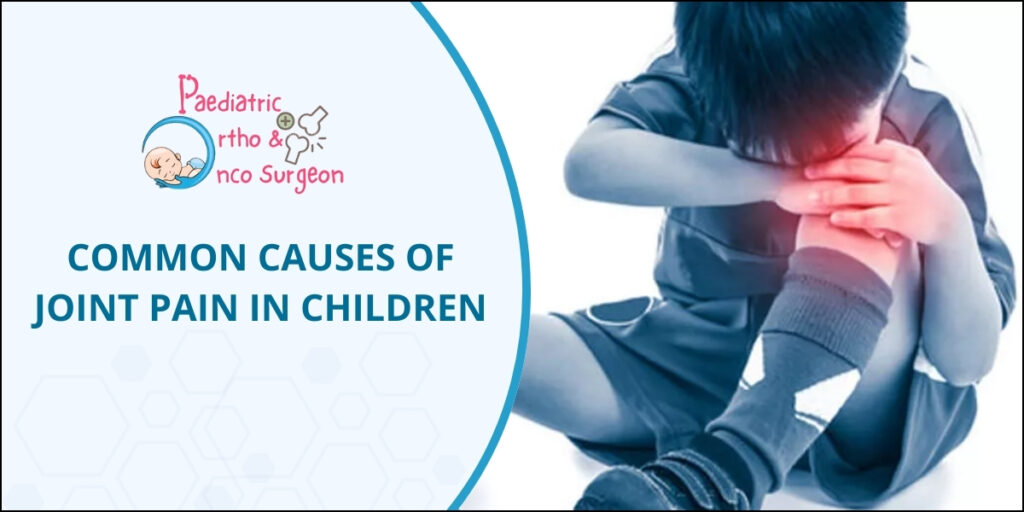
It can be worrying for any parent to hear their child complain of sore knees, stiff legs, or painful elbows. You might wonder if it’s just a normal part of growing up or something more serious. The good news is that in most cases, joint pain in children is temporary and harmless. However, understanding the different reasons behind the pain can help you know when to relax and when it might be time to see a specialist. As a parent, it is important to become a detective of sorts. Does the pain happen only at night? Does it come after a long day of playing football? Or is your child waking up with stiff joints in the morning? The answers to these questions can point toward the root cause. Let’s break down the most common causes of joint pain in children. 1. The Usual Suspect: Growing Pains If your child is between the ages of 3 and 9, and often wakes up in the night crying because their legs hurt, “growing pains” are the most likely culprit . Despite the name, experts aren’t entirely sure that growth itself is the cause, but the pattern is very recognizable . How to spot it: Timing: The pain usually strikes late in the evening or at night. By morning, your child is usually running around with no pain at all . Location: It typically affects both legs, often in the thighs, calves, or behind the knees . Feeling: It feels like an ache or a throbbing sensation. No Limping: Children with growing pains usually don’t limp or show signs of weakness during the day. The best remedy? A good massage, a warm bath before bed, and some extra cuddles usually do the trick . 2. Too Much of a Good Thing: Overuse Injuries With the rise of competitive sports and specialized training at young ages, overuse injuries have become very common . Unlike an acute injury like a fall, overuse injuries happen slowly over time. They occur when a child repeats the same motion over and over again, stressing the joints and muscles without enough time to heal. This is considered mechanical pain, meaning it is related to activity . You might notice your young athlete complaining of pain in their knees, elbows, or heels specifically after playing sports or running. 3. When the Body Attacks Itself: Juvenile Idiopathic Arthritis (JIA) While arthritis might seem like an old person’s disease, it actually affects about 3 in 1,000 children . Juvenile Idiopathic Arthritis (JIA) is the most common type of chronic arthritis in kids. It is an autoimmune disorder, which means the body’s immune system mistakenly attacks its own healthy joint tissues, causing inflammation . The keyword here is inflammation. Unlike growing pains or overuse injuries, JIA causes persistent symptoms. Red flags for JIA include : Morning Stiffness: Your child is stiff and has trouble moving around after waking up. This often improves as they get moving during the day . Swelling: The joint looks puffy or swollen. Warmth: The joint feels warm to the touch. Persistence: The pain and stiffness last for more than 6 weeks . It is also crucial to know that JIA can cause silent uveitis, an inflammation of the eye that can damage vision without any obvious symptoms, which is why regular eye checks are vital for these children . 4. Infections and Other Illnesses Sometimes, joint pain is a sign that the body is fighting something else. Several infectious and medical conditions can manifest as pain in the joints . Reactive Arthritis: Sometimes after a bacterial or viral infection (like a stomach bug or strep throat), the body’s immune response can cause temporary joint pain and swelling. Septic Arthritis: This is a serious bacterial infection inside the joint itself. It requires immediate medical attention. It usually presents as a single, extremely painful, hot, and swollen joint, and the child often looks very unwell or has a fever . Other Conditions: In rare cases, blood disorders or even bone malignancies can present with bone or joint pain, which is why persistent, unexplained pain should always be checked . When to See a Doctor? While most aches are benign, you should consult a doctor if your child experiences any of the following: Swelling, redness, or warmth around a joint. Persistent pain that lasts for several weeks or keeps coming back. Morning stiffness that doesn’t go away quickly. Limping, especially if it is unexplained. Joint pain accompanied by a fever, rash, or extreme fatigue . Expert Care for Little Joints in Thane and Mumbai If you are concerned about your child’s joint pain, getting the right diagnosis is the first step toward relief. As a parent, you want a specialist who understands the unique nature of a child’s growing body. Dr. Vinod Dubey is a renowned Pediatric Orthopedic Surgeon in Thane and a trusted Pediatric Joint pain doctor in Mumbai. With his expertise, he helps families distinguish between simple growing pains and conditions that require medical intervention. Whether your child needs treatment for an injury, JIA, or any other bone and joint issue, Dr. Vinod Dubey provides expert care to get your little one back to playing happily. Frequently Asked Questions (FAQs) 1. When should I worry about my child’s joint pain? You should worry if the joint looks swollen, red, or feels hot. If your child has stiffness in the morning that lasts more than 30 minutes, or if the pain is persistent and causes them to limp, it is best to see a doctor. 2. Can kids really get arthritis? Yes, they can. It is called Juvenile Idiopathic Arthritis (JIA). It is an autoimmune condition where the body attacks its own joints, causing inflammation, pain, and stiffness. It is more common than many people realize, affecting thousands of children. 3. What is the difference between growing pains and arthritis? Growing pains typically occur at night in both legs and are gone by morning, with no limping or swelling. Arthritis pain often involves swelling and stiffness that is worse in the morning or after naps and improves as the child moves around during the day. 4. What blood tests are done for joint pain in children? Doctors might order blood
Causes of Joint Pain in Children Read More »