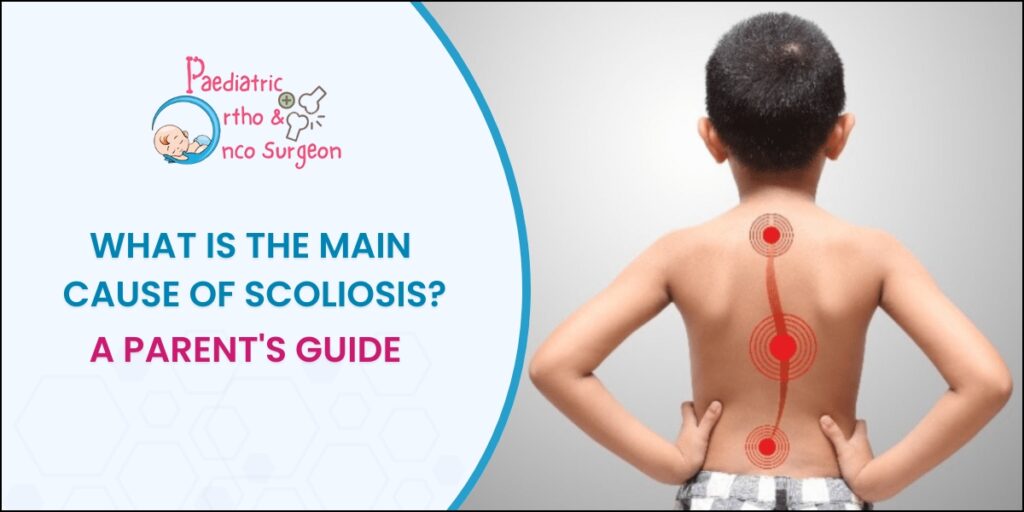
Scoliosis is a condition in which the spine curves sideways, forming an “S” or “C” shape instead of maintaining a straight alignment. While mild spinal curves may not cause immediate problems, untreated scoliosis can progress over time, leading to posture issues, pain, breathing difficulties, and reduced quality of life.
Scoliosis most commonly develops during childhood and adolescence, particularly during growth spurts. This makes early detection and timely intervention crucial for preventing complications and ensuring healthy spinal development.
What Causes Scoliosis?
In many children, the exact cause of scoliosis remains unknown. This is known as idiopathic scoliosis, which accounts for the majority of cases. Other causes may include:
- Congenital spinal abnormalities present at birth
- Neuromuscular conditions such as cerebral palsy or muscular dystrophy
- Genetic factors and family history
- Certain connective tissue disorders
Understanding the underlying cause helps pediatric orthopedic specialists determine the most appropriate treatment plan.
Signs and Symptoms of Scoliosis in Children
Parents should be aware of the early signs of scoliosis, including:
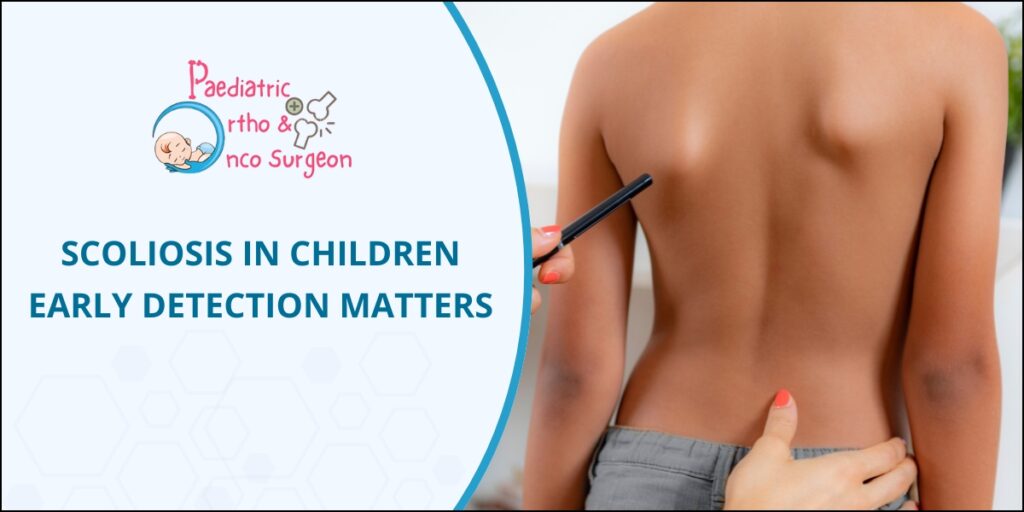
- Uneven shoulders
- One shoulder blade appearing more prominent
- Uneven waistline
- One hip higher than the other
- Leaning to one side while standing
- Ribs appearing uneven when bending forward
- Poor posture or abnormal spinal alignment
In many cases, scoliosis does not cause pain initially, making routine screenings and observation especially important.
Why Early Detection Matters
Early detection is one of the most important factors in successful scoliosis management. When identified during the early stages, treatment options can effectively prevent curve progression and reduce the need for surgery.
Benefits of early diagnosis include:
Better Treatment Outcomes
Mild curves can often be managed through observation, physiotherapy, and bracing before they become severe.
Reduced Risk of Surgery
Early intervention may prevent the spinal curve from worsening to the point where surgical correction becomes necessary.
Improved Physical Development
Timely treatment helps maintain proper posture, balance, and overall musculoskeletal health during growth years.
Enhanced Quality of Life
Children who receive early treatment often experience better confidence, mobility, and long-term spinal health.
How Is Scoliosis Diagnosed?
A pediatric orthopedic specialist typically diagnoses scoliosis through:
Physical Examination
The doctor evaluates posture, shoulder symmetry, spinal alignment, and performs the Adam’s Forward Bend Test.
Imaging Studies
X-rays help determine the degree of spinal curvature, commonly measured using the Cobb angle.
Additional imaging such as MRI may be recommended in specific cases to identify underlying spinal conditions.
Treatment Options for Pediatric Scoliosis
Treatment depends on the child’s age, growth potential, and severity of the spinal curve.
Observation
For mild curves, regular follow-up visits and monitoring may be sufficient.
Bracing
Bracing is commonly recommended for growing children with moderate scoliosis. It helps prevent curve progression and may reduce the need for surgery.
Physiotherapy and Exercise
Specialized scoliosis exercises can improve posture, muscle balance, and spinal stability.
Surgical Treatment
Severe or rapidly progressing curves may require corrective spinal surgery to restore alignment and prevent future complications.
Tips for Parents
- Monitor your child’s posture regularly.
- Schedule routine pediatric health check-ups.
- Seek medical attention if you notice asymmetry in the shoulders, hips, or back.
- Follow your orthopedic specialist’s recommendations regarding observation or treatment.
- Encourage healthy physical activity and good posture habits.
When Should You Consult a Pediatric Orthopedic Specialist?
If you notice any signs of spinal curvature or postural imbalance in your child, early evaluation by a pediatric orthopedic surgeon is recommended. Prompt assessment can help identify scoliosis at an early stage and improve treatment outcomes.
Scoliosis in children is a manageable condition when detected early. Regular observation, timely diagnosis, and appropriate treatment can significantly reduce complications and support healthy growth. Parents play a vital role in recognizing early warning signs and seeking expert medical care when needed. Early intervention can make a lasting difference in a child’s spinal health and overall well-being.
Consult Dr. Vinod Dubey – Pediatric Orthopedic Surgeon in Mumbai
Dr. Vinod Dubey is a highly experienced Pediatric Orthopedic Surgeon in Mumbai specializing in the diagnosis and treatment of scoliosis, limb deformities, developmental hip disorders, clubfoot, fractures, sports injuries, and various musculoskeletal conditions in children. If your child shows signs of scoliosis or other orthopedic concerns, consulting Dr. Vinod Dubey can help ensure timely diagnosis and effective treatment for the best possible outcomes.