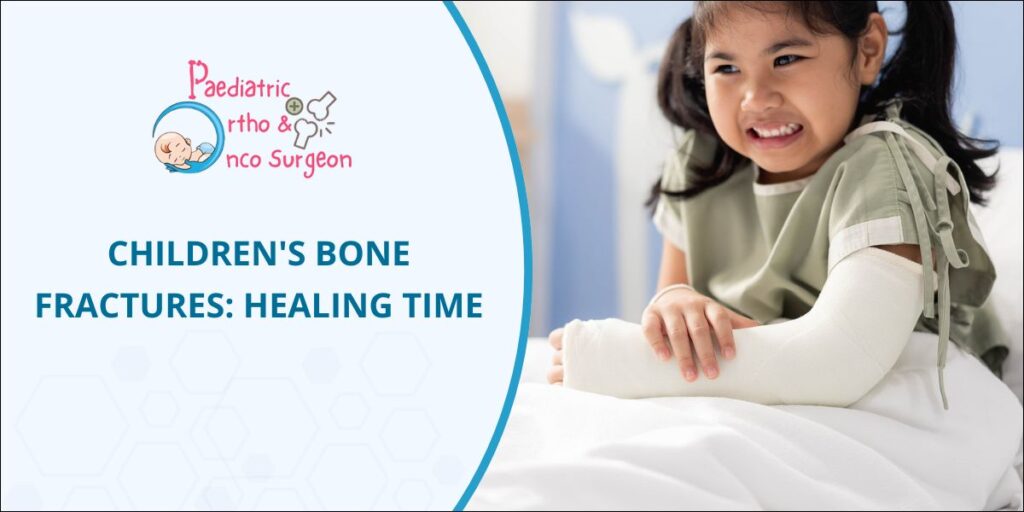
Bone fractures are common during childhood because children are naturally active. Running, jumping, climbing, and participating in sports can sometimes lead to injuries. Fortunately, children’s bones are different from adult bones. They are more flexible, have a better blood supply, and usually heal much faster.
Understanding the healing process can help parents support their children during recovery. In this article, we’ll discuss how long children’s bone fractures take to heal, the factors that influence recovery, and when parents should seek medical attention.
What Is a Bone Fracture?
A bone fracture is a break or crack in a bone. Fractures can range from tiny cracks to complete breaks that require specialized treatment.
Children can experience different types of fractures, including:
- Simple fractures
- Greenstick fractures
- Growth plate fractures
- Buckle fractures
- Compound fractures
Because children’s bones are still developing, some fractures are unique to childhood and require proper evaluation by a pediatric orthopedic specialist.
Why Do Children’s Bones Heal Faster?
Children’s bones contain growth plates, which are areas of developing cartilage found near the ends of long bones. These growth plates play an important role in bone growth and repair.
Several factors contribute to faster healing in children:
- Better blood circulation
- Active bone growth
- Flexible bone structure
- Continuous cell regeneration
As a result, a fracture that may take several months to heal in an adult could heal within a few weeks in a child.
How Long Does It Take for Children’s Bone Fractures to Heal?
Healing time depends on the child’s age, the type of fracture, and the affected bone.
Infants and Toddlers (0-3 Years)
Healing is usually very rapid in younger children.
Average healing time:
- Small fractures: 2-3 weeks
- Larger fractures: 3-4 weeks
Preschool Children (4-6 Years)
Children in this age group generally recover within a month.
Average healing time:
- Arm fractures: 3-5 weeks
- Leg fractures: 4-6 weeks
School-Age Children (7-12 Years)
As children grow older, healing may take slightly longer.
Average healing time:
- Wrist fractures: 4-6 weeks
- Forearm fractures: 6-8 weeks
- Leg fractures: 6-10 weeks
Teenagers (13-18 Years)
Healing in teenagers begins to resemble adult healing.
Average healing time:
- Minor fractures: 6-8 weeks
- Complex fractures: 8-12 weeks
Factors That Affect Healing Time
Several factors can influence how quickly a fracture heals.
Type of Fracture
Simple fractures heal faster than complex fractures involving multiple bone fragments.
Location of the Fracture
Bones with a good blood supply usually heal more quickly. Finger and wrist fractures often recover faster than thigh bone fractures.
Growth Plate Involvement
Fractures involving the growth plate require close monitoring because they may affect future bone development.
Nutrition
Children need adequate nutrition for proper bone healing. Calcium, vitamin D, protein, and other essential nutrients support bone repair.
Treatment Method
Proper treatment plays a major role in recovery. A well-fitted cast, splint, or surgical intervention can improve healing and reduce complications.
Signs That a Fracture Is Healing Properly
Parents often wonder whether their child’s fracture is healing correctly.
Positive signs include:
- Reduced pain
- Decreased swelling
- Improved movement
- Increased comfort during daily activities
Regular follow-up appointments are important because children may feel better before the bone has completely healed.
When Should Parents Be Concerned?
Contact your doctor immediately if your child experiences:
- Severe pain that suddenly worsens
- Fever
- Increased swelling
- Numbness or tingling
- Discoloration of fingers or toes
- A damaged or loose cast
Early intervention can prevent complications and ensure proper bone alignment.
Tips to Support Faster Recovery
Parents can help children recover by following a few simple guidelines.
Encourage Rest
Avoid strenuous activities until the doctor confirms that the fracture has healed completely.
Provide a Healthy Diet
Include foods rich in calcium and protein, such as:
- Milk
- Yogurt
- Cheese
- Eggs
- Fish
- Green vegetables
Follow Medical Instructions
Never remove a cast without medical advice. Follow all recommendations regarding physical activity and follow-up visits.
Be Patient
Although children recover quickly, returning to sports too early can increase the risk of reinjury.
Children’s bone fractures usually heal much faster than adult fractures, but every injury is different. Factors such as age, fracture type, nutrition, and treatment all influence recovery time.
Parents should never ignore a suspected fracture. Early diagnosis and appropriate treatment can ensure proper healing and help children return safely to their normal activities.
Consult Dr. Vinod Dubey – Pediatric Orthopedic Surgeon in Mumbai
If your child has experienced a bone fracture, seeking specialized care can make a significant difference in recovery. Dr. Vinod Dubey – Pediatric Orthopedic Surgeon in Mumbai provides comprehensive evaluation and treatment for children’s bone injuries, growth plate fractures, sports injuries, and other orthopedic conditions. Early consultation with an experienced pediatric orthopedic specialist can help ensure proper healing and support your child’s healthy growth and development.